.png)
Turkiye's Post-Earthquake Reconstruction
Actualizado: 17 jul 2025
Background & Context
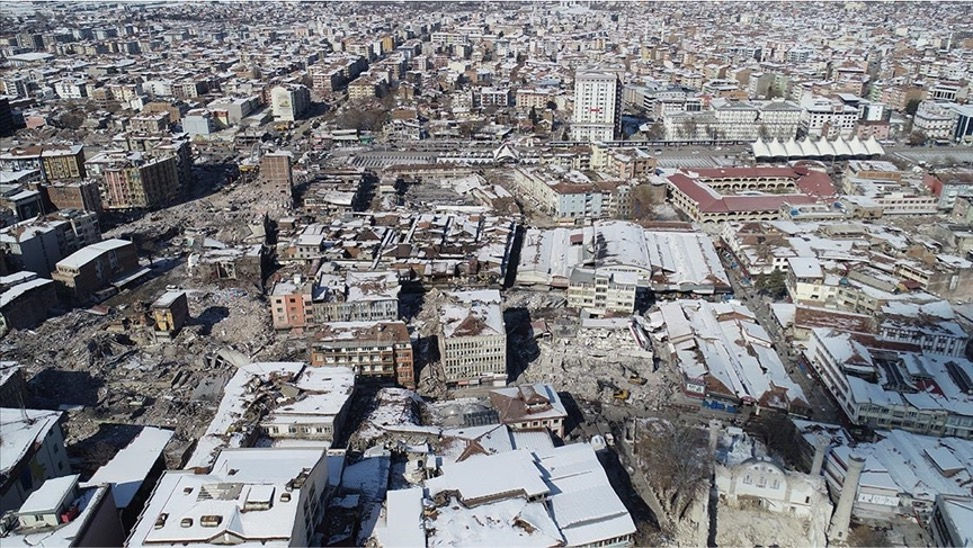
On February 6, 2023, a catastrophic magnitude 7.8 earthquake and powerful aftershocks devastated southern Türkiye, with Hatay and Malatya provinces suffering immense destruction.
In Hatay, entire neighborhoods in cities like Antakya were reduced to rubble, with more than 1,200 buildings collapsing in Antakya alone, while critical infrastructure—including airports, ports, and historic landmarks—sustained severe damage.
Meanwhile, in Malatya, thousands of buildings were either heavily damaged or flattened, including residential blocks and iconic structures like the historic Yeni Mosque. Streets were choked with debris, and bitter winter conditions compounded the humanitarian crisis for survivors left homeless.
Across the broader quake zone, over 230,000 buildings were reported damaged or destroyed, leaving millions displaced and triggering one of the region’s worst modern disasters.
What We Did
Damage Assessment
We conducted comprehensive surveys to assess the nature, extent, and volume of earthquake damage, including the the sampling and characterization of debris and the identification of logistical challenges related to potential cleanup and recycling efforts.
Eco-Material Engineering
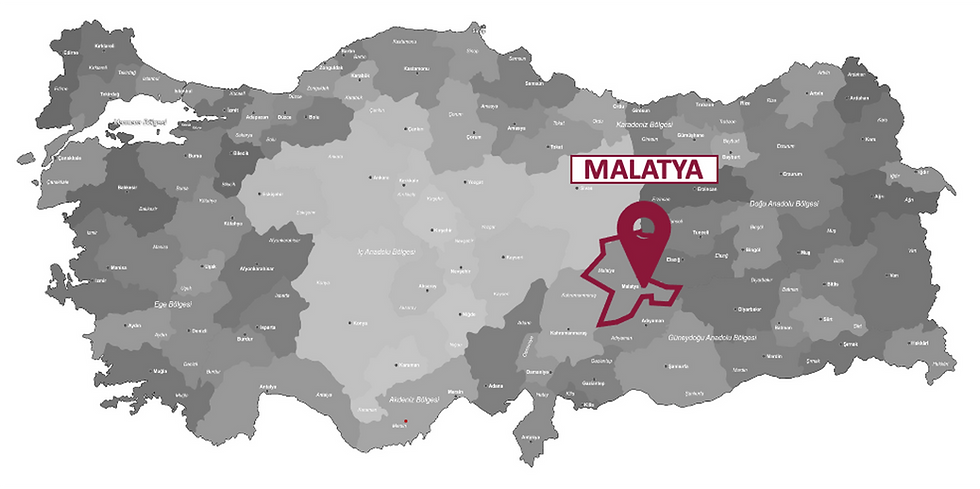
Our lab tests and subsequent characterization of the debris allowed us to develop dozens of eco-materials that could be created from recycling efforts. These materials would adhere to the highest technical standards and also be economically viable under a range of different considerations. For example, from our calculations, 45% of the recovered stone aggregate from the debris in Malatya can be repurposed for high-value reconstruction uses instead of lower-to-medium value uses in roadbuilding. This is a huge leap in value that can turn recycling activities into a revenue generator for the local economy.
Debris Recycling Platform Design
By understanding the nature and extent of the region's damage, as well as logistical constraints and opportunities, we designed a debris recycling platform with multiple different configurations based on funding availability and the local market's ability to absorb the eco-materials we were going to generate from the processed debris.
Funding Support
We've carried out extensive outreach to our network of international donors, helping to amass the funding required to build and launch the debris processing platform.
Legislative, Regulatory, and Cultural Support
Although the use of recycled materials in new building construction is technically allowed in Turkiye, there remain significant logistical and cultural roadblocks to its widespread acceptance. To this point, we have worked tirelessly with the various actors in the public and private sectors to move Turkish society to a point in which it's much more socially acceptable to incorporate such practices in construction.


Outcomes
This project is ongoing. Check back soon!